Decks, porches & pergolas
Framed on footings below frost, ledger-flashed and through-bolted to the house — the ledger being the single most common point of failure in residential deck construction.
Read moreExteriors & Envelope
Roofing, siding and windows each have a service of their own. This is everything else outside — decks, masonry, drainage, flashing and paint — and it fails at the junctions.
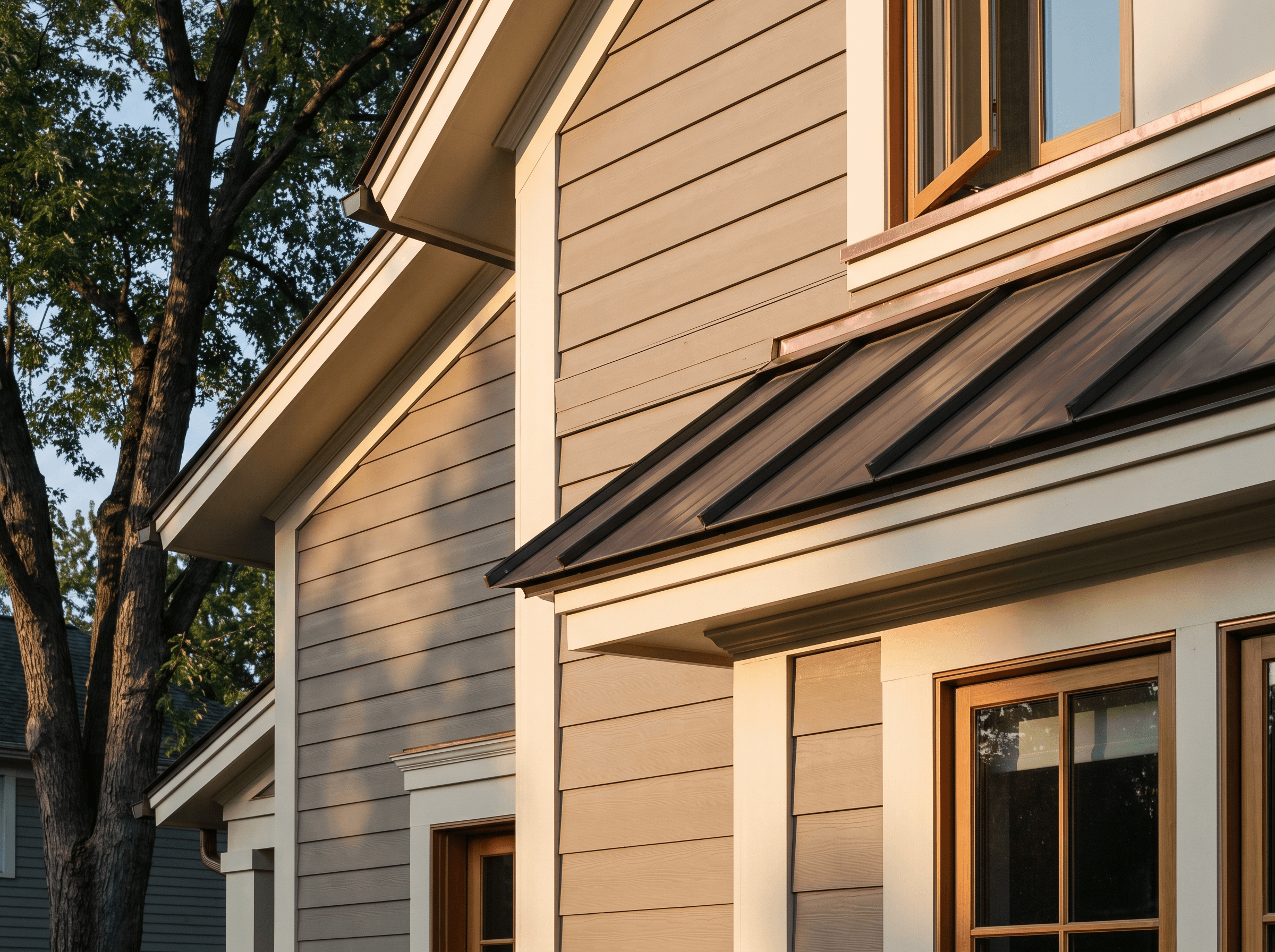
Sill pans and head flashing tied into the weather barrier.
Cladding over a drainage plane, not onto bare sheathing.
Gutters, leaders, and where the discharge actually goes.
In short
Generally yes. Roof replacement, re-siding and window replacement each typically require a building permit in New Jersey municipalities. Pinnacle files them, meets the inspector and closes them out. Where a job genuinely does not need one we say so — and where a roof needs a flashing repair rather than a replacement, we say that too, rather than selling the bigger job.
Overview
Roofing, siding and window replacement each have a service of their own now, because each is a trade in its own right. This is everything else on the outside of the house: decks and porches, masonry, the gutters and grading that move water away from the foundation, the flashing detail behind all of it, and the paint that protects what shows. We take it on as one system rather than as a list of trades, because failures almost never happen in the middle of a surface. They happen at the junctions, where two trades met and each assumed the other had flashed it.
Typical scope runs from a deck rebuilt on proper footings, to repointing a chimney, to tracing why a basement goes damp every March and finding that it was a downspout discharging four feet from the wall. These are the jobs that rarely justify a project of their own and are exactly the ones that decide whether the rest of the envelope lasts — which is why we would rather do them properly within a programme than squeeze them in as an afterthought.
Masonry is the part most often got wrong here, because a veneer absorbs water and holds it: it needs a drainage cavity, through-wall flashing and weep holes that are actually open, and repointing needs mortar softer than the brick or the repair destroys the face it was meant to save. Decks fail at the ledger rather than at the boards. And a surprising share of damp New Jersey basements turn out to be a downspout problem rather than a foundation problem — cheap to fix, and almost never where anyone looks first.
What we do
Roofing, siding and windows have services of their own. These are the rest, and each fails where it meets something else.
Framed on footings below frost, ledger-flashed and through-bolted to the house — the ledger being the single most common point of failure in residential deck construction.
Read moreStone veneer, brick repointing, steps, patios, walls and chimney work, with the flashing and weeps that let a masonry assembly drain instead of holding water.
Read moreThe layer behind everything else. It only works if it is lapped in the right order and if every opening is integrated with it — which is where almost all envelope failures actually start.
Read morePreparation is the job. Paint on a surface that was not cleaned, scraped and primed will fail on schedule no matter whose tin it came out of.
Read moreGutters, leaders and where the water goes after that. A surprising share of damp basements in this state are a downspout discharging four feet from the foundation.
Read more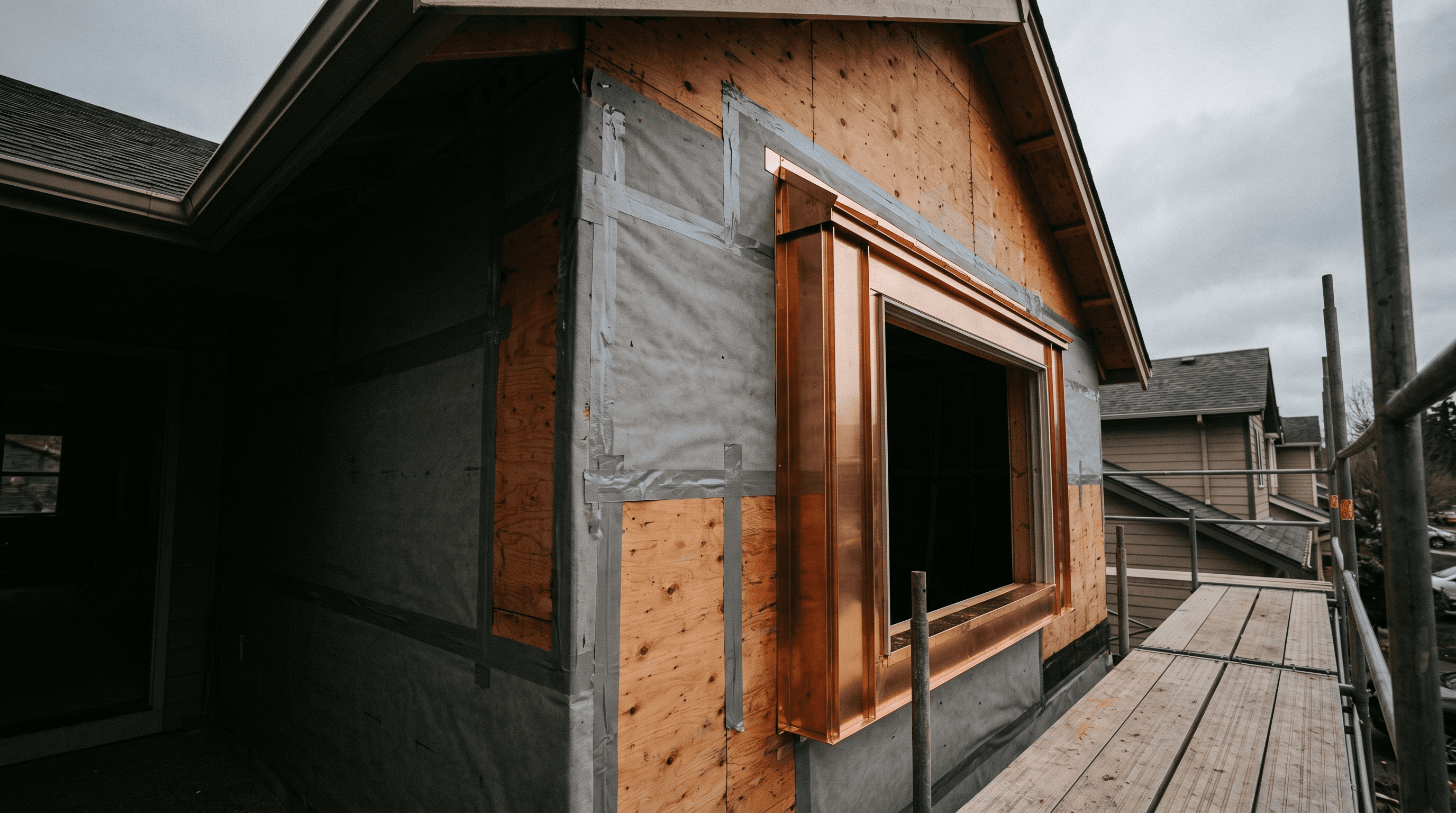
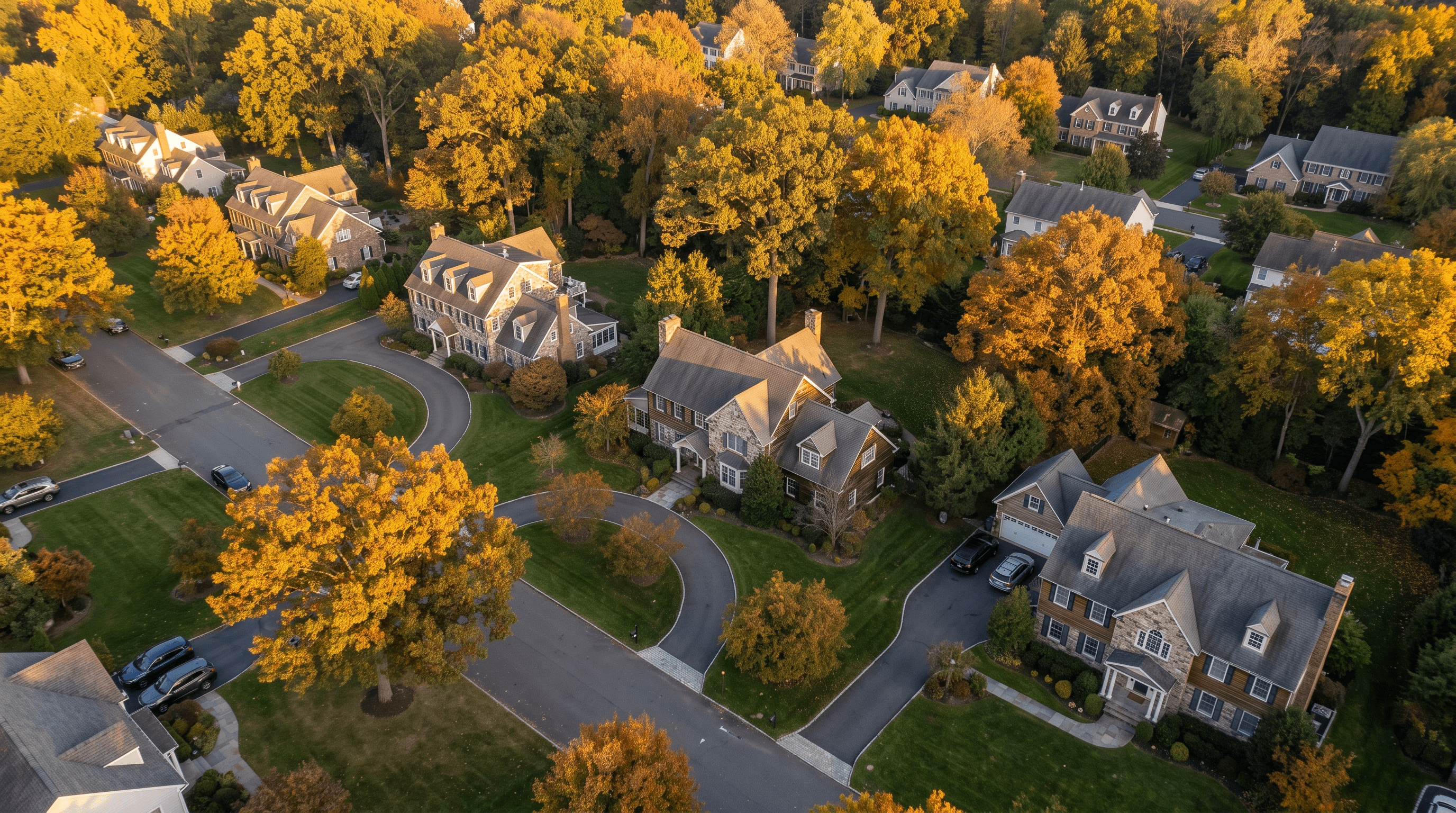
Street level
Every house here is one flashing detail away from a problem that surfaces in year five.
Envelope failures almost never begin in the middle of a surface. They begin at the junctions, where two trades met and each assumed the other had flashed it.
Recent work
Exterior work is not broken out as its own portfolio category yet. The Westfield addition and the Princeton whole-home renovation both carry substantial envelope work — new cladding, roof tie-ins and full window replacement — and are the fairest read on the standard.
How exterior work runs
The same four stages, on the one part of this business that the calendar genuinely controls.
We get on the roof and behind the cladding where we can, and find where water is actually entering — frequently nowhere near where the damage shows up inside. You get photographs and a plain explanation, not a quote for everything at once.
Materials, colours and profiles chosen, and the sequence planned around weather windows. Shingles need warmth to seal and mortar has a minimum temperature, so the calendar is part of the specification here.
Old cladding off, sheathing and framing repaired where we find rot, drainage plane installed, and every opening and junction flashed before a single new board goes up.
New cladding, trim, gutters and drainage, then a full site clean-down, a walkaround with you, and the township inspection wherever the work required a permit.
Where we work
Exposure decides how long cladding lasts, and it changes street by street. Southern and coastal-facing elevations in this state age years faster than the ones behind them.
Towns we work in most often
All 21 counties
Questions
Architectural asphalt shingle roofs generally last 20 to 30 years in our climate. Freeze-thaw cycles and coastal wind shorten that, particularly on southern and eastern exposures. We inspect and tell you honestly whether you need a replacement or a repair.
Fiber cement handles our freeze-thaw cycles and humidity best and is what we specify most often. Cedar is beautiful and needs maintenance you should be honest with yourself about. Stucco in this climate requires a properly detailed drainage plane — most stucco failures we remediate were installed without one.
Roof replacement and re-siding generally require a building permit in New Jersey municipalities, and window replacement usually does as well. We file them and meet the inspector. Where a job genuinely does not need one, we will tell you that too.
Age, the condition of the shingle surface, and whether the flashing details are intact. A twelve-year-old roof leaking at a chimney is a flashing repair, not a replacement. A twenty-five-year-old roof with granule loss and curling is at the end of its service life. We photograph what we find and show you, because “you need a new roof” is the easiest thing in this industry to say and the hardest for a homeowner to check.
Spring through autumn for most of it. Shingles need warmth to seal properly, and masonry mortar and exterior paint both have minimum temperatures. Siding can run later in the year than either. We schedule around weather windows rather than promising dates a January cold snap will take away.
Related work
Start your project
Let's create a home that fits how you actually live — and holds up for the next twenty years.


